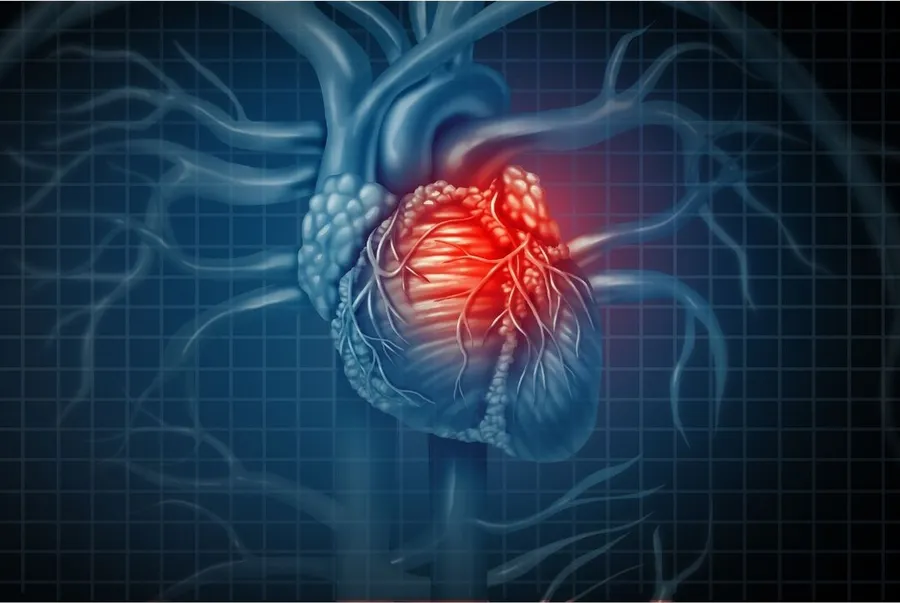
Heart valve disease happens when one of your heart's four valves gets stiff and narrow or does not close tightly and leaks. Common signs include shortness of breath, tiredness, swelling, chest discomfort or a murmur your doctor hears. An echocardiogram is usually the first test, and some valve problems can now be treated with catheter-based procedures instead of open-heart surgery.
What valves do
Think of your heart valves as one-way doors. They open to let blood through and close to keep it from flowing backward. When a door gets stiff, the heart pushes harder to get blood through. When it leaks, the heart has to pump some blood twice.
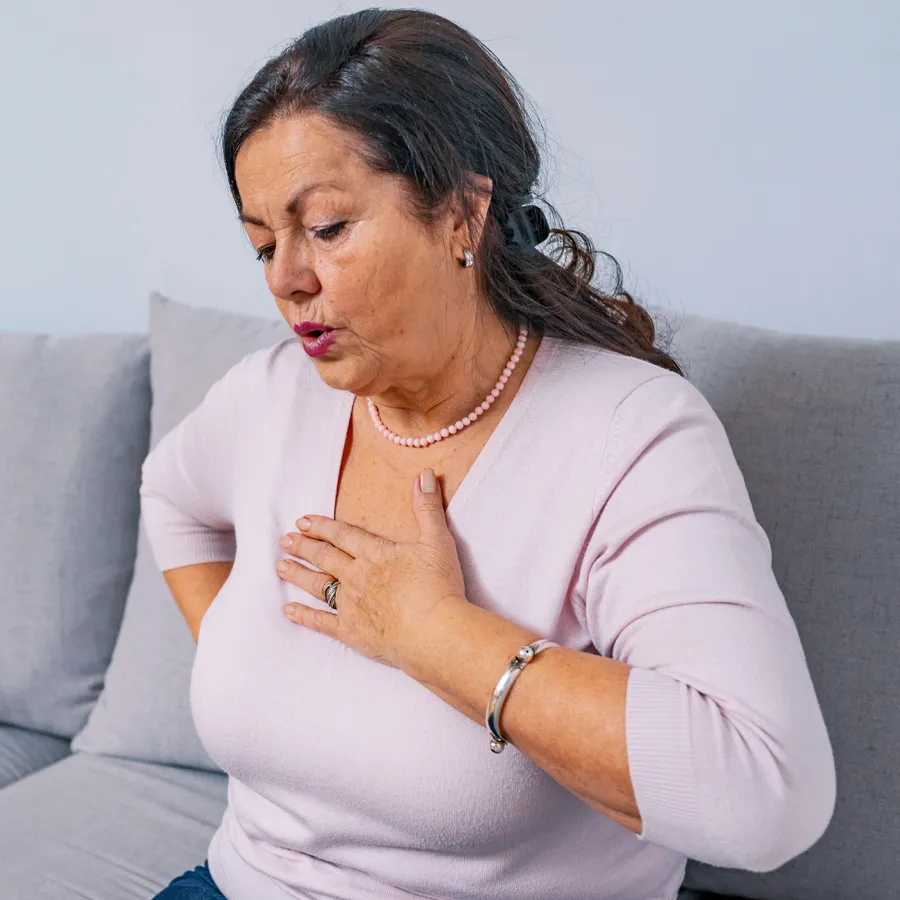
Signs of a valve problem
- Getting short of breath with activity or when lying flat
- Feeling more tired than usual
- Swollen ankles or feet
- Chest pressure, dizziness or fainting with effort
- A heart murmur found during a check-up
Some people have no symptoms for years. Valve disease is often found during a routine exam.
How valves are checked
An echocardiogram shows how each valve opens and closes and how blood flows across it. FCCI's Echocardiography Lab notes an echo can determine the presence of valve disease and follow it over time. It takes about 40 minutes and needs no prep. Some patients also need other imaging or a heart catheterization.
Treatment options
Mild valve disease is often watched with regular echos. Medicines can help with symptoms. When a valve needs repair or replacement, some patients can have a catheter-based procedure.
- TAVR (Transcatheter Aortic Valve Replacement) places a new aortic valve through a catheter
- MitraClip treats a leaky mitral valve, called mitral regurgitation, through a catheter
FCCI's history notes that Dr. Youssef Al-Saghir, who leads FCCI's Clay County operations, was the first to perform TAVR in Clay County and, in 2016, the first in Clay County to perform the MitraClip procedure. Whether a procedure is right for you depends on many things, and your care team will walk you through the choices.
Living with valve disease
Keep your follow-up visits and echos, even when you feel fine, so changes are caught early. Tell your provider about new shortness of breath, swelling or fainting. Good dental care also matters for people with some valve conditions; ask your provider what applies to you.
When to call 911
Valve problems often build slowly, but certain symptoms mean stop and call 911: chest pain or tightness, fainting, breathlessness that hits suddenly, or stroke signs like a drooping face, a weak arm or slurred speech. Skip the drive and skip waiting for your appointment. Paramedics can start helping the moment they reach you.
Heart care close to home in Clay County
Valve questions can start with a visit to FCCI's Orange Park office at 1465 Kingsley Ave. Dr. Youssef Al-Saghir, Director of FCCI Clay County Operations, leads the team there and serves as cardiology chair at HCA Florida Orange Park Hospital. Clay County patients from Fleming Island, Middleburg and Green Cove Springs are welcome, and FCCI accepts most major insurance, including Medicare and Tricare.
A neighborly word from the Clay County team
Valve care involves choices, and the right one depends on both your heart and your life. Share what matters to you, like staying active or traveling to see family, and your cardiologist can explain how each option fits. Questions are welcome at your visit or by phone.
Ready to talk with a heart doctor close to home? If you have been told you have a murmur or a valve problem, let's make a plan. Call the FCCI Orange Park office at 904.644.0092, Monday to Friday, 8 a.m. to 5 p.m., or use the appointment request form (contact details only, please). We are at 1465 Kingsley Ave, Orange Park, FL 32073.