High blood pressure usually has no symptoms, which is why it is easy to ignore. Over time it makes your heart work harder and can damage your arteries, kidneys, eyes and brain. The good news: it is one of the most treatable heart risks, and small changes plus the right medicine can make a big difference.
What the numbers mean
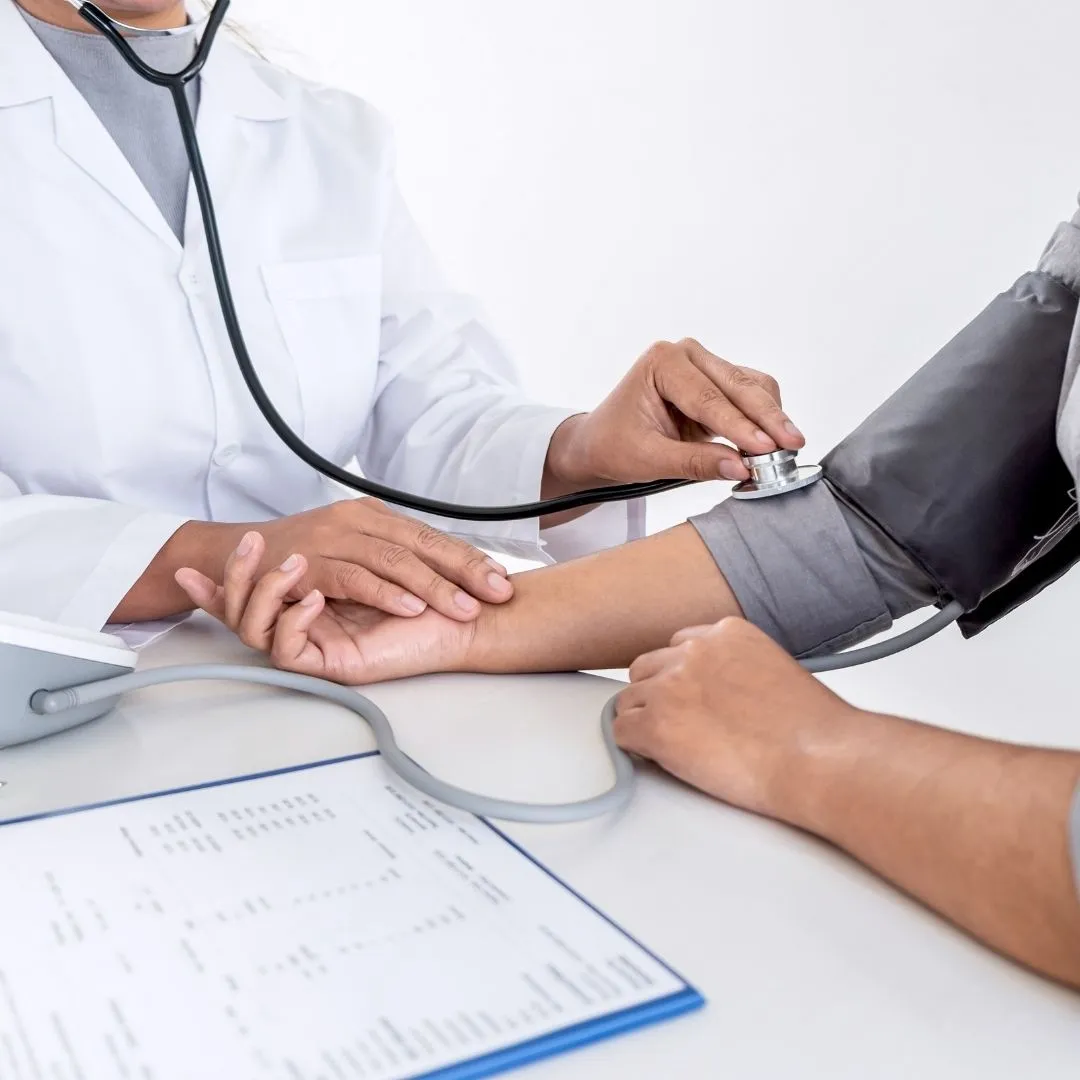
A blood pressure reading has two numbers. The top number is the pressure when your heart beats. The bottom number is the pressure when your heart rests between beats. Your provider will tell you what your goal should be based on your health, age and other conditions.
One high reading does not always mean you have high blood pressure. Stress, caffeine, pain and even rushing into the office can push it up. That is why patterns over time matter.
Why it matters for your heart
- It makes the heart muscle work harder and can thicken it over time
- It wears on artery walls, which can lead to blockages
- It raises the risk of heart attack, stroke and heart failure
- It can damage the kidneys
FCCI's vascular lab also notes that narrowed kidney arteries can cause high blood pressure, which is one reason a cardiologist may check further when blood pressure is hard to control.
Checking at home
If your provider asks you to track it at home, these tips help:
- Sit quietly for five minutes with your back supported and feet flat
- Keep your arm resting at heart level
- Use the right size cuff
- Take readings at the same times each day
- Write them down and bring the log to your visit
What helps lower it
Cutting back on salt and processed food, moving most days, limiting alcohol, not smoking, sleeping well and keeping a healthy weight all help. Many people also need medicine, and that is okay. Taking it every day as prescribed is what makes it work.
When a cardiologist can help
If your blood pressure stays high despite medicine, if you also have chest pain, shortness of breath, swelling or a family history of heart disease, or if your doctor sees changes on an EKG or echo, a cardiologist can help find the cause and fine-tune your plan.
When to call 911
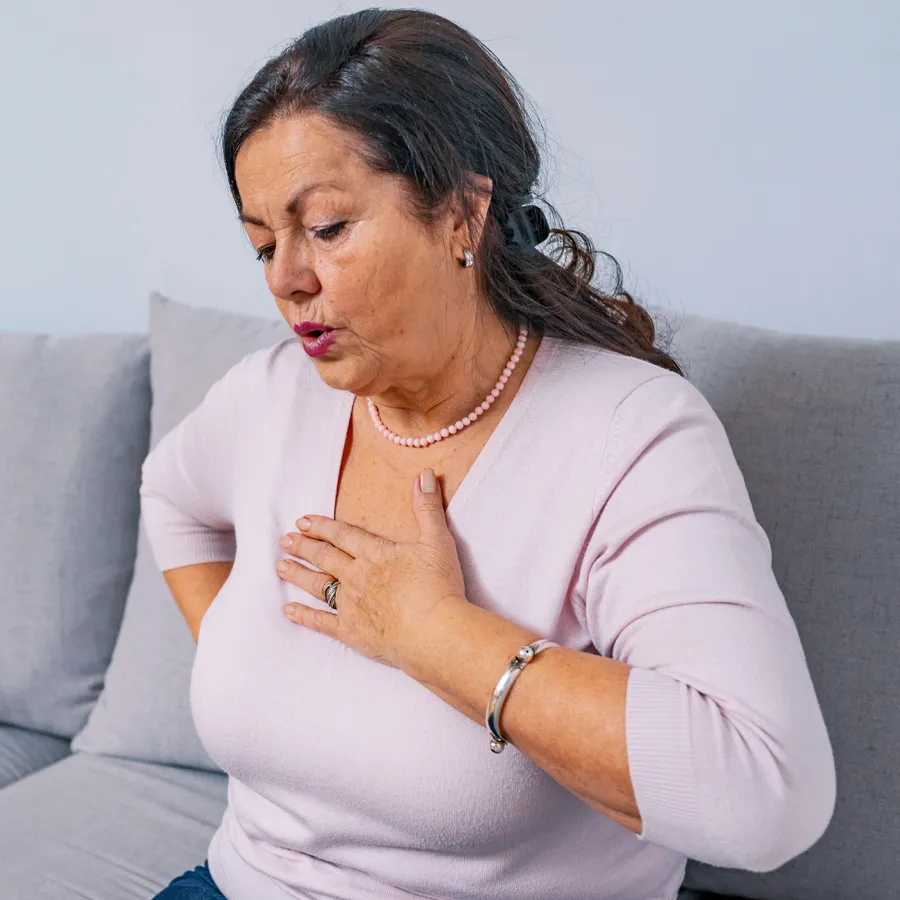
High blood pressure is usually quiet, but a reading paired with chest pain, sudden shortness of breath, fainting or stroke signs like face drooping, arm weakness or garbled speech is a 911 call. Do not wait to see if it settles and do not drive yourself. Emergency teams can begin care before you even arrive, and nobody will fault you for calling.
Heart care close to home in Clay County
Blood pressure that will not come down is a good reason to visit FCCI at 1465 Kingsley Ave in Orange Park. The office cares for patients throughout Clay County, including Fleming Island, Middleburg and Green Cove Springs, and is led by Dr. Youssef Al-Saghir, who also chairs cardiology at HCA Florida Orange Park Hospital. Most major insurance works here, Medicare and Tricare included.
Questions to ask your provider
- What blood pressure goal is right for me?
- Should I check at home, and how often?
- Could another problem be raising my pressure?
- What side effects should I watch for with my medicine?
A neighborly word from the Clay County team
Your blood pressure numbers mean the most when your care team also knows your routine: sleep, salt, stress and medicines. Bring that picture to your visit and the plan will fit better. Not sure about something you read here? Write it down or call the office.
Ready to talk with a heart doctor close to home? Want help getting your numbers under control? Call the FCCI Orange Park office at 904.644.0092, Monday to Friday, 8 a.m. to 5 p.m., or use the appointment request form (contact details only, please). We are at 1465 Kingsley Ave, Orange Park, FL 32073.