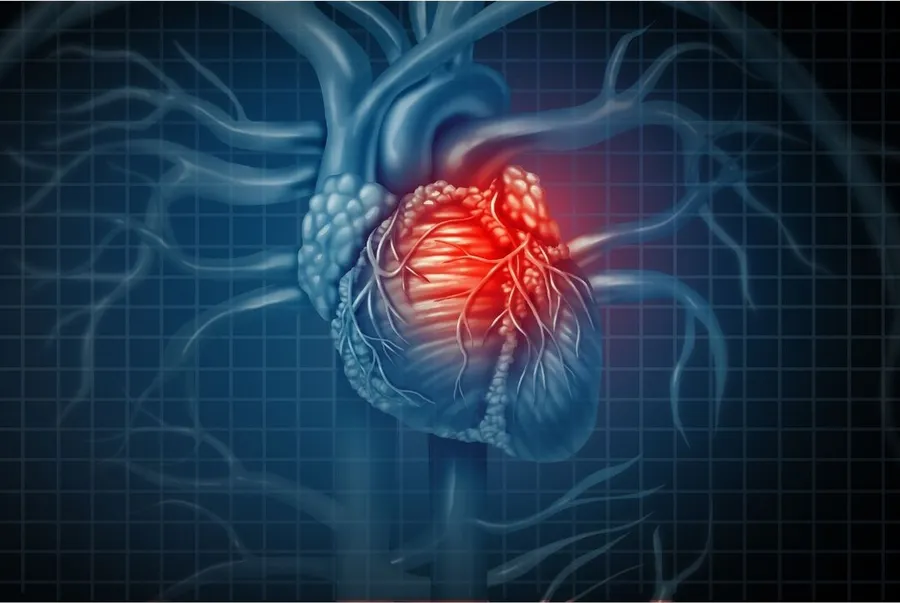
Your carotid arteries run up each side of your neck and carry blood to your brain. When they narrow from plaque, the risk of stroke goes up. FCCI notes that carotid artery disease is one of the most common causes of stroke, and finding it early is important. A painless ultrasound called a carotid duplex takes about 30 minutes and can check them.
Stroke warning signs: act fast
- Face drooping on one side
- Arm or leg weakness, especially on one side
- Trouble speaking or understanding
- Sudden loss of vision in one eye
- Sudden severe dizziness or loss of balance
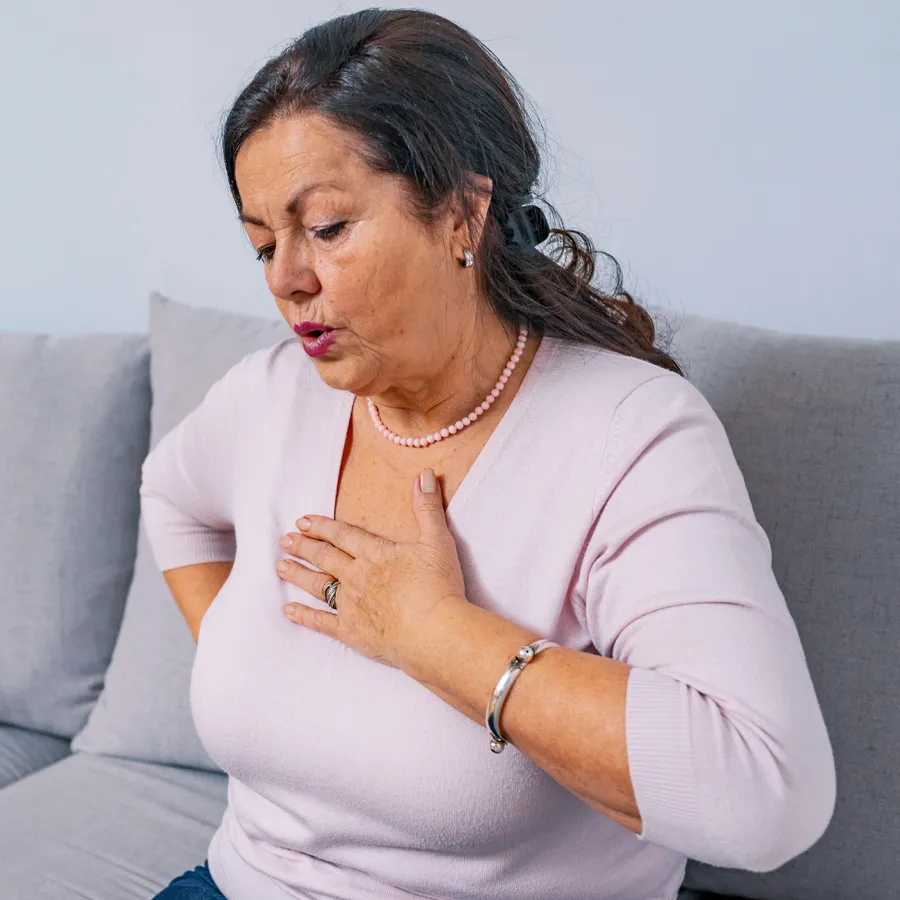
Call 911 right away. Note the time symptoms started. Even if symptoms go away in a few minutes, call. A short episode can be a warning of a bigger stroke to come.
Who should think about carotid testing
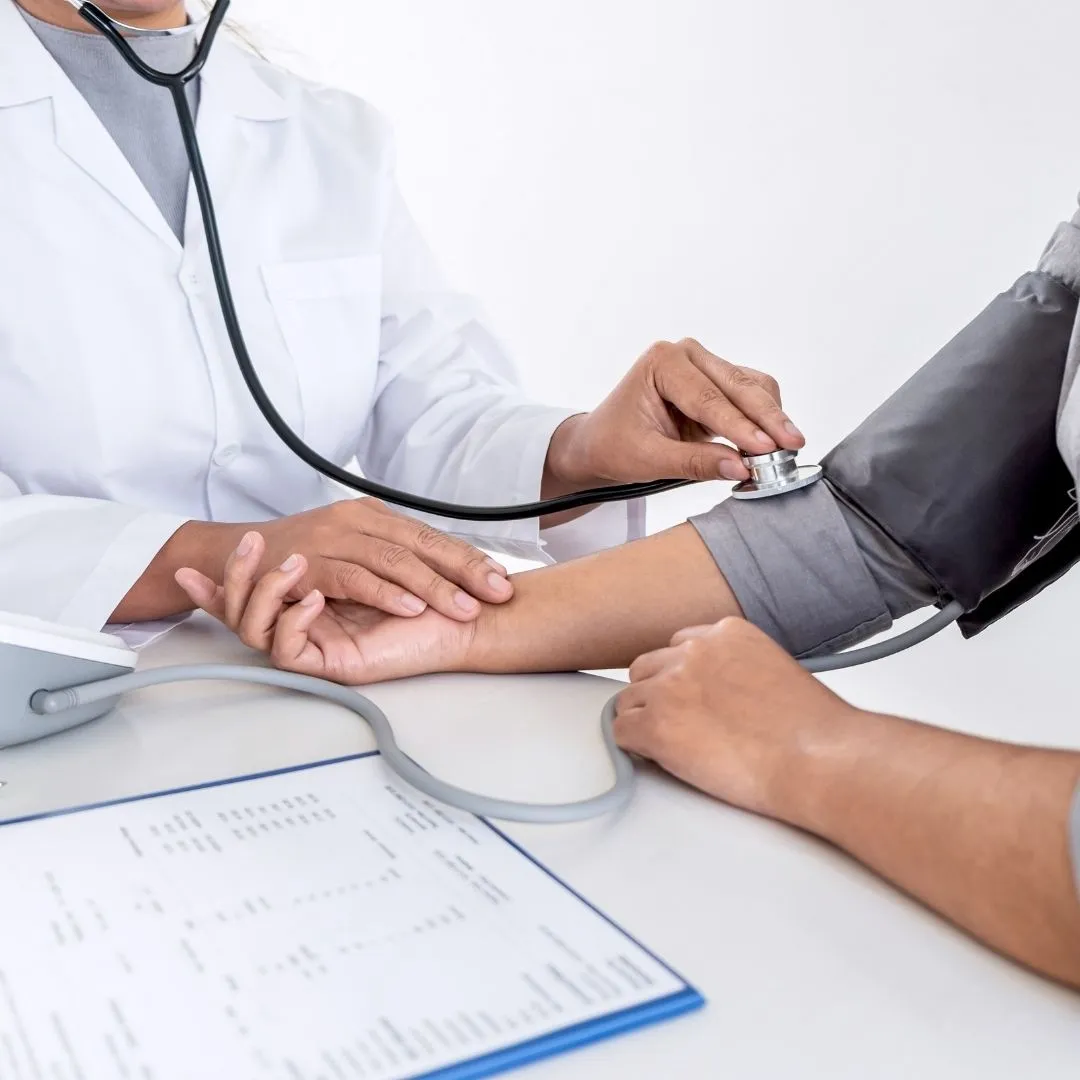
FCCI's vascular lab lists symptoms that lead to a carotid study, including one-sided loss of strength or feeling, difficulty speaking, brief loss of vision in one eye, and a sound in the neck called a bruit that a doctor hears with a stethoscope. Your provider may also consider testing if you have heart or leg artery disease, smoke, or have diabetes, high blood pressure or high cholesterol.
What a carotid ultrasound is like
You lie on your back while a technologist moves an ultrasound wand along your neck. The exam includes blood pressure in both arms and scans of the carotid, vertebral and subclavian arteries. There are no needles or dye. A complete study usually takes about 30 minutes, according to FCCI. FCCI's vascular testing is accredited and done by registered vascular technologists.
Treatment options
Many people are treated with medicines that lower cholesterol and blood pressure and help prevent clots, along with quitting smoking and healthy habits. For some patients with significant narrowing, a procedure may be recommended.
FCCI's history notes that Dr. Youssef Al-Saghir became the first board-certified cardiologist in Clay County to perform carotid stenting, at Orange Park Medical Center. He also trained in neurovascular and carotid interventions at the University of Utah. Your provider will help you weigh options for your situation.
Lowering your stroke risk
- Know and control your blood pressure
- Treat high cholesterol and diabetes
- Do not smoke
- Get checked for AFib if your heartbeat feels irregular
- Stay active most days
Heart care close to home in Clay County
Carotid and stroke risk concerns can be checked at FCCI in Orange Park, 1465 Kingsley Ave, close to home for Fleming Island, Middleburg and Green Cove Springs. The Clay County office is directed by Dr. Youssef Al-Saghir, cardiology chair at HCA Florida Orange Park Hospital. Medicare, Tricare and most major plans are accepted, and urgent testing can often be done the same day.
Questions to ask your provider
- Do I need a carotid ultrasound?
- What are my biggest stroke risks?
- Should I be on medicine to protect my arteries?
- How often should my carotids be rechecked?
A neighborly word from the Clay County team
Stroke prevention is a shared job. You know your habits and family history, and your care team knows how to check your arteries. Put both on the table and the plan gets sharper. If this article sparked a question, bring it to your appointment or call the office.
Ready to talk with a heart doctor close to home? Worried about stroke risk or told you have a carotid bruit? Call the FCCI Orange Park office at 904.644.0092, Monday to Friday, 8 a.m. to 5 p.m., or use the appointment request form (contact details only, please). We are at 1465 Kingsley Ave, Orange Park, FL 32073.